Why use video games in therapy?
Research has proven that video games are more than entertainment—they can be powerful therapeutic tools when used intentionally in counseling sessions. The video games can become an effective barrier to emotions where they can be talked on with minimal struggle expressing them.
Goals Supported by Gaming in Therapy
✔ Coping skills practice
✔ Social skills development
✔ Anger management
✔ Stress reduction
✔ Teamwork and communication
✔ Improving frustration tolerance
All ages can opt to game in session. Minors need parents consent to game.

There are benefits to utilizing video games in sessions
-
Builds comfort and supports emotional regulation
Many people, especially children, teens, and young adults, feel more at ease in therapy when using a familiar activity like gaming.
It reduces anxiety and creates a non-threatening environment for opening up about feelings.
Games often require players to manage frustration, disappointment, and excitement—skills that translate to real-life coping strategies.
Therapists can guide clients to practice mindfulness, patience, and self-control during play.
-

Improves social, communication, and cognitive skills
Multiplayer or co-op games encourage teamwork, communication, and problem-solving.
Great for family therapy, group sessions, or individual clients working on social interaction.
Many games promote planning, critical thinking, and decision-making.
Useful for clients with ADHD, executive function challenges, or developmental delays.
-
Assists in therapeutic processing
In-game challenges and successes can mirror real-life struggles and victories.
Therapists can use these moments for metaphor-based discussion (e.g., resilience, persistence, dealing with failure).
Reduce symptoms of depression and anxiety.
Increase motivation and engagement in therapy.
Support skills training for emotional regulation and problem-solving
How are these types of sessions conducted?
Virtual/Telehealth
Use online multiplayer games with screen-sharing for remote sessions.
Therapist and client play games together with video on
No chat/audio in-game will be used, only video/audio from session link
Play a specific game or mode for mindfulness.
Every session ends with a moment of reflection to bridge the gap between the game and real life. We ask:
The Emotional Check: What emotions did you notice while playing today?
The Challenge: How did you handle moments of frustration or failure?
The Level Up: What skill from this game can you 'equip' in your real life this week?
What games are played:
Minecraft (Bedrock or Java)
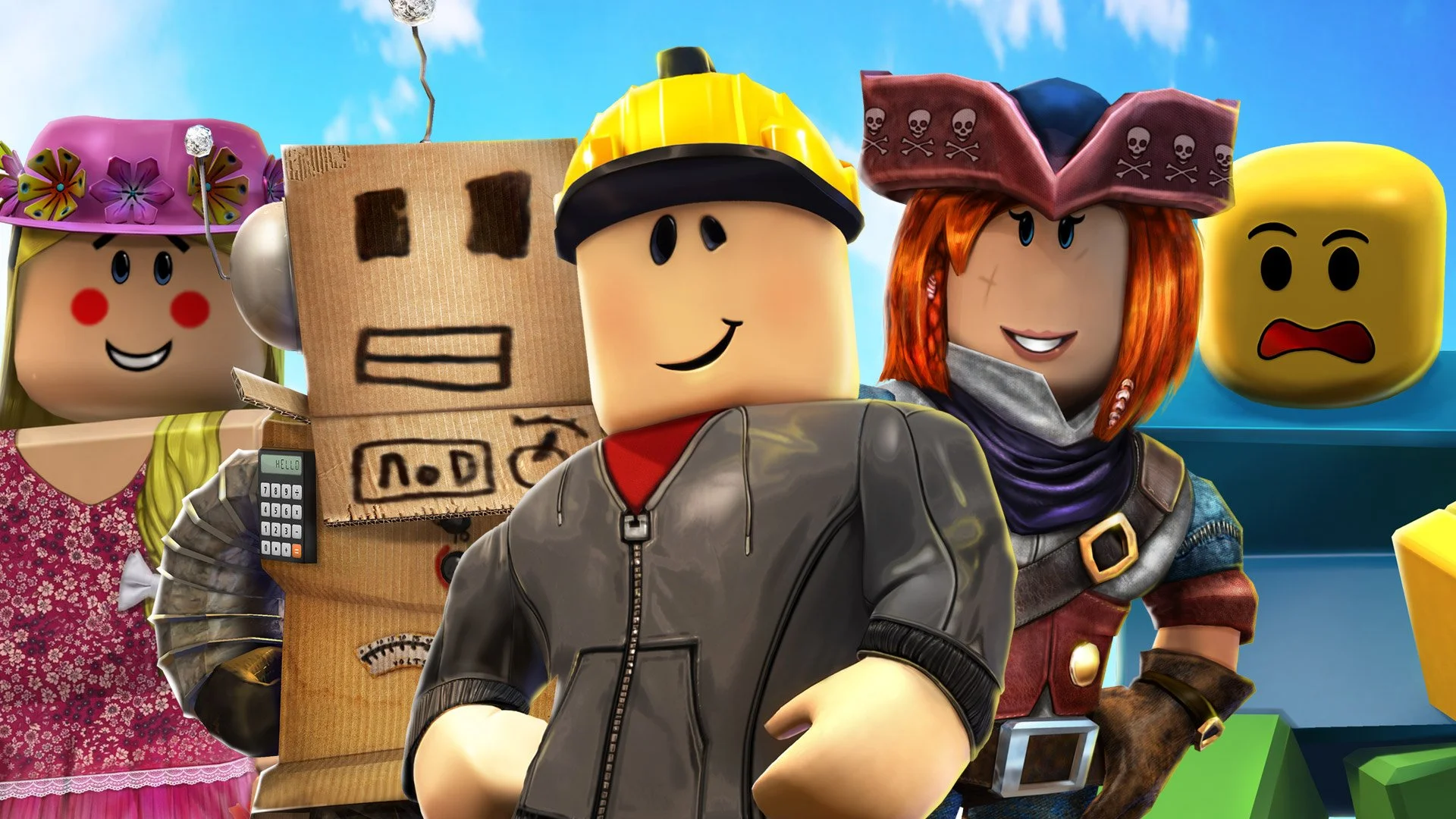
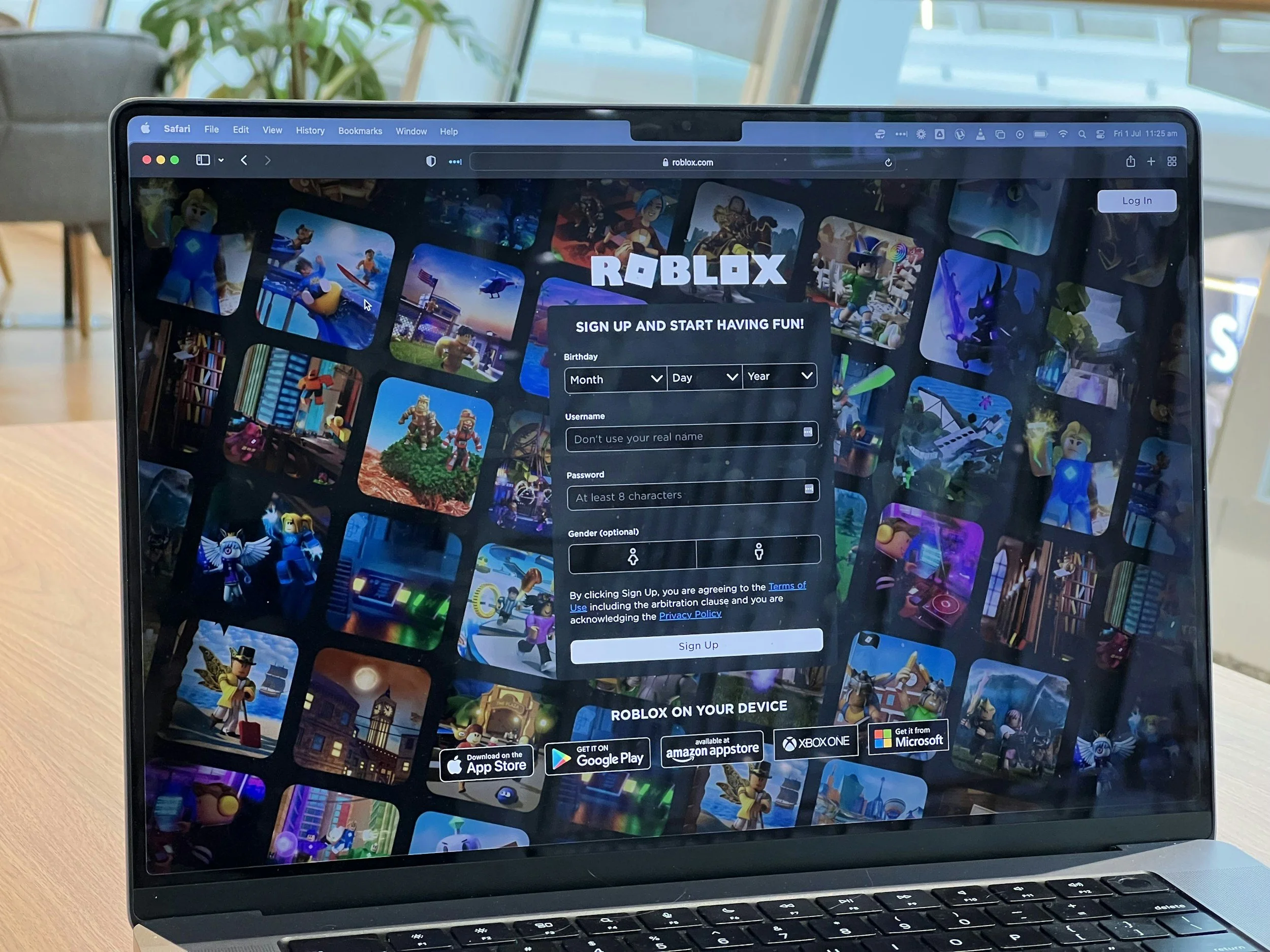
Roblox - appropriate level games
Steam - appropriate level games (free ones)
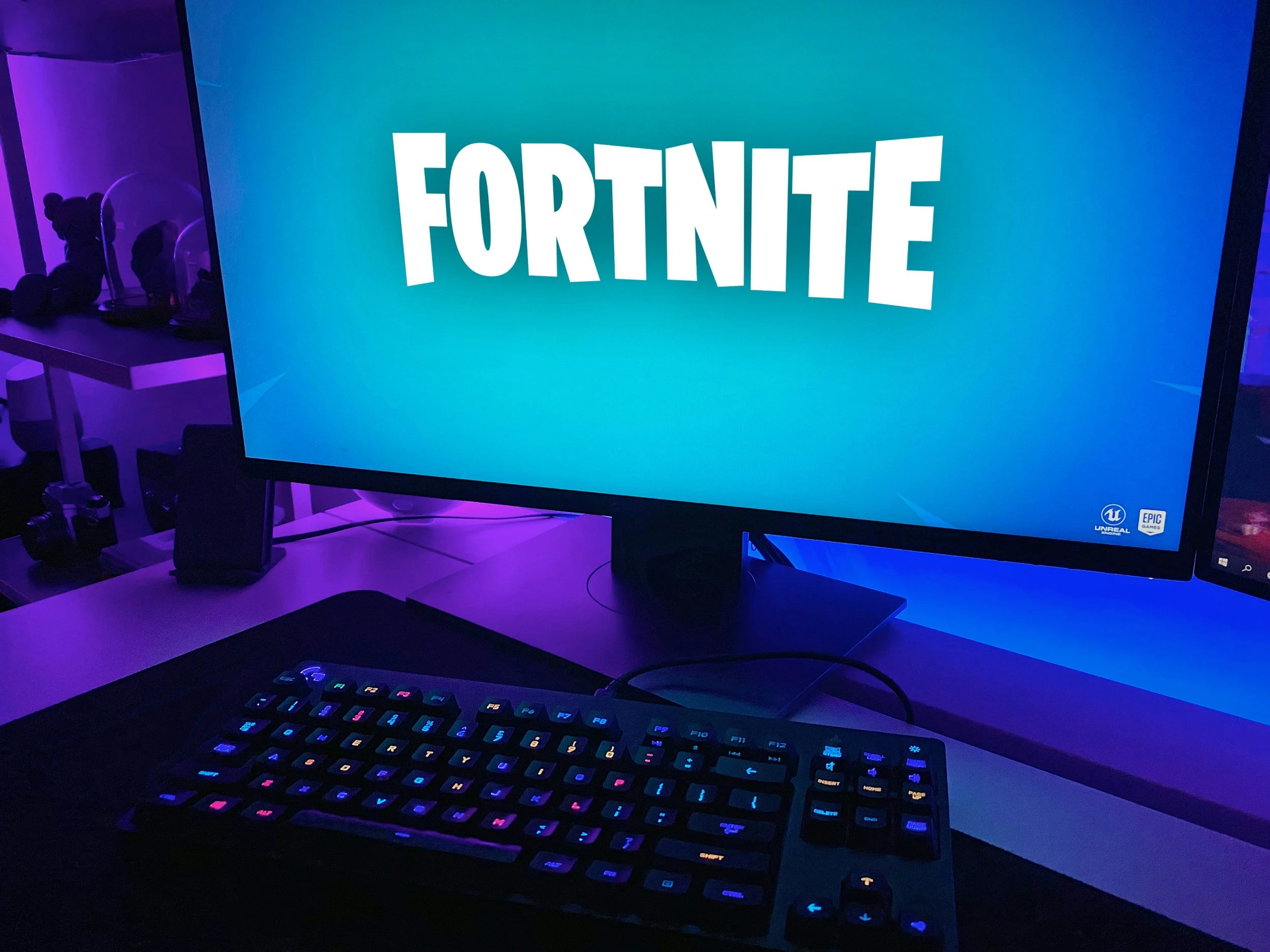
Epic Games - Fortnite (any of the variations at appropriate levels)